
Introduction: Where Yesterday Meets Today
Nestled just west of downtown Nashville, Sylvan Park is a neighborhood where every street seems to tell a story. From its tree-canopied avenues to the charming bungalows and local haunts, Sylvan Park's character runs deep with both history and community spirit. As a longtime resident, I’ve seen first-hand how the warmth of Sylvan Park comes not just from its neighbors, but from a legacy that dates back more than a century. Let’s take a stroll through the past and present of one of Nashville’s most cherished corners.
Origins: How Sylvan Park Got Its Name
The name “Sylvan Park” speaks to the neighborhood’s woodland roots; “sylvan” itself means “of the woods” or “inhabiting the forest,” echoing the lush natural surroundings that once blanketed this part of Nashville. The area began to take shape in the late 19th century, when Nashville was blossoming as a city and streetcar lines began winding their way from the heart of downtown out to the quieter western edges.
Land developers promoted Sylvan Park as an idyllic suburb, boasting easy access on the old streetcar line down Murphy Road, and lots large enough for gardens, trees, and space to grow. By the early 1900s, families were flocking to settle here, attracted by the promise of a close-knit, leafy neighborhood within reach of the city center.
Key Historical Milestones
Over the decades, Sylvan Park has witnessed many milestones that have shaped its unique identity:
- The Streetcar Era: In the early 20th century, the streetcar line running down Murphy Road made Sylvan Park attractive to those wanting suburban peace without isolation. Many of the classic early-1900s homes still stand along 44th, 45th, and 46th Avenues, a testament to the architecture of the era.
- Post-War Growth: After World War II, Sylvan Park experienced a housing boom. A wave of modest brick ranch homes popped up alongside the neighborhood’s original bungalows and foursquares, forging a diverse mix of architectural styles that still remains today.
- Preservation and Renewal: In the 1980s and 90s, as downtown Nashville enjoyed a renaissance, Sylvan Park found itself in the crosshairs of renewed interest. The community banded together to ensure thoughtful growth that honored the neighborhood’s roots, leading to revitalized businesses and preserved green spaces.
Notable Landmarks and Institutions
No account of Sylvan Park would be complete without mentioning some of its most beloved fixtures. Whether you’re a lifer or a new neighbor, these places have helped shape the area’s unique personality:
- McCabe Park and Greenway: This sprawling expanse of green, stretching alongside the Richland Creek Greenway, is the neighborhood’s front lawn. Kids run and play at the playground, golfers take to the historic McCabe Golf Course (dating to 1942), and walkers fill the paved trail all year round.
- The Richland-West End Historic District: Just to the southeast, this nearby district includes historic homes that share roots with Sylvan Park and hints at the area’s shared history as some of Nashville’s earliest suburbs.
- Charlotte Avenue Landmarks: As the northern boundary of Sylvan Park, Charlotte Avenue has long been a thoroughfare for commerce and community gatherings. Landmarks like the old Park Avenue Elementary (now repurposed for community use) and longstanding shops and eateries speak to decades of local hustle and heart.
- The Local Eats: Neighbors regularly gather at institutions like Edley’s Bar-B-Que, Star Bagel Café, and the original PANDA, which have become more than just places to grab a bite—they’re part of the neighborhood’s daily rhythm.
Evolution: From Pastoral Retreat to Modern Urban Village
While Sylvan Park’s roots are deep in the soil of early-20th-century suburbia, the neighborhood has always adapted to changing times. The 21st century has seen a new surge of interest, with young families and urban professionals drawn to its walkability, welcoming spirit, and vibrancy.
The neighborhood’s enduring appeal comes from its willingness to evolve while respecting the past. Newer homes and townhouses dot streets like Dakota Avenue or even pop up where old cottages once stood, but the overall spirit of community prevails. Neighborhood events like the Sylvan Park Tour of Homes and Meet Your Neighbor socials reflect that blend of nostalgia and forward-looking optimism.
Local institutions—McCabe Pub, neighborhood churches, and the Sylvan Park Neighborhood Association—carry forward traditions of block parties, Halloween parades, and holiday decorating contests. These rituals help tie newcomers and old-timers together, reinforcing the friendly fabric that makes Sylvan Park unique.
Streets that Tell a Story
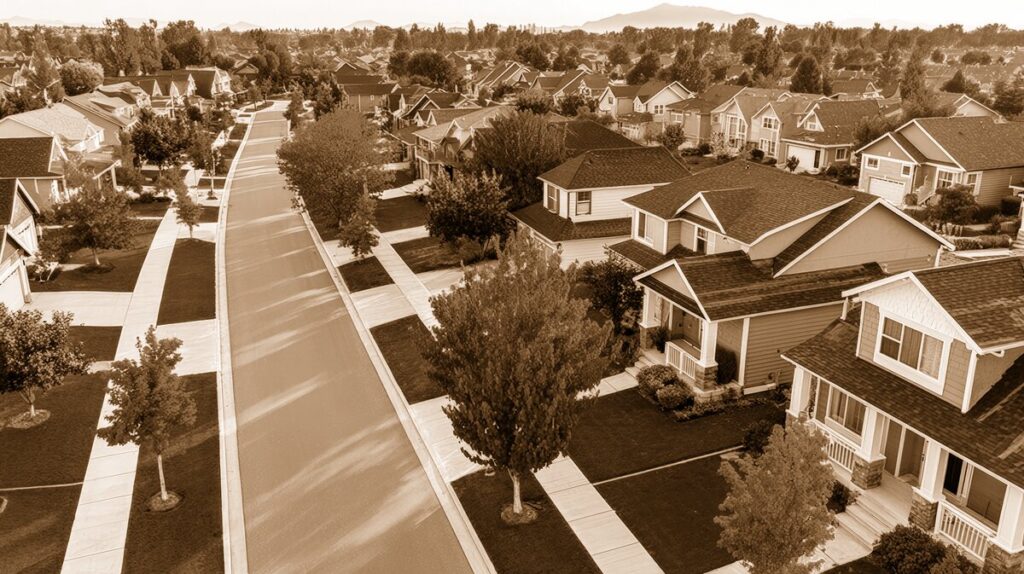
A walk through Sylvan Park provides a living history lesson. On Nevada Avenue, you’ll spot 1920s bungalows sporting original stonework and front porches where neighbors still relax in the evenings. On Murphy Road, the legacy of the old streetcar route can still be sensed in the rhythm of small businesses and sidewalk cafés. The leafy lanes—Orchard, Wyoming, and Park Avenues among them—feel like a village, reminding us of the days when everyone knew their neighbor.
The neighborhood’s namesake, “sylvan,” remains apt; mature trees and flower-filled yards offer quiet respites from city life, just as they did for the neighborhood’s first residents. Today’s Sylvan Park is as known for this tranquility as it is for its thriving local scene.
Conclusion: Sylvan Park’s Timeless Charm
There’s something about Sylvan Park that feels both rooted and ever-renewing. Maybe it’s the blend of old homes and new faces, or the way traditions are kept alive even as additions and renovations shape the neighborhood’s future. For those who live here today—and for those drawn by its history and hospitality—Sylvan Park represents the best of what Nashville neighborhoods can be: a warm, welcoming community with deep roots and an open door.
From the winding paths of McCabe Park to the vibrant fronts along Murphy Road, Sylvan Park’s story is always growing, just like the trees from which it takes its name.